Table of Contents
- Introduction
- Top 5 pros of living in Baton Rouge
- Top 5 cons of living in Baton Rouge
- Practical tips when moving to Baton Rouge
- FAQs about living in Baton Rouge
- Final thoughts
Introduction
The pros and cons of living in Baton Rouge are rarely black and white. For many people this city offers more house for your money, tight‑knit communities, and a culture you won't find anywhere else — from neighborhood potlucks and college football Sundays to distinctive food and festivals. At the same time, there are tradeoffs: rising insurance costs and tricky flood‑zone rules, slow or unpredictable infrastructure projects that can lengthen commutes, and long stretches of hot, humid weather (plus hurricane season) that affect daily life and home maintenance.
Below I break down five clear pros and five realistic cons so you can decide if Baton Rouge is the right fit for you. Each item includes concrete examples and local context — for instance, which suburbs tend to deliver better schools and family neighborhoods (Zachary, Central, Prairieville, Denham Springs, parts of Ascension and Livingston Parish), what to expect on insurance and roofing rules after recent storms, and where commute pain points commonly occur (river crossings and I‑12 backups). I’ll also call out lifestyle wins like being an hour from New Orleans, easy access to outdoor recreation, and reasons many newcomers immediately feel at home.
Read on with your priorities in mind — budget, schools, commute, and tolerance for heat/humidity are often the deciding factors — and use the practical tips and FAQ sections later in the post to help turn these pros and cons into a decision that fits your situation.
Top 5 pros of living in Baton Rouge
1. More house for your money
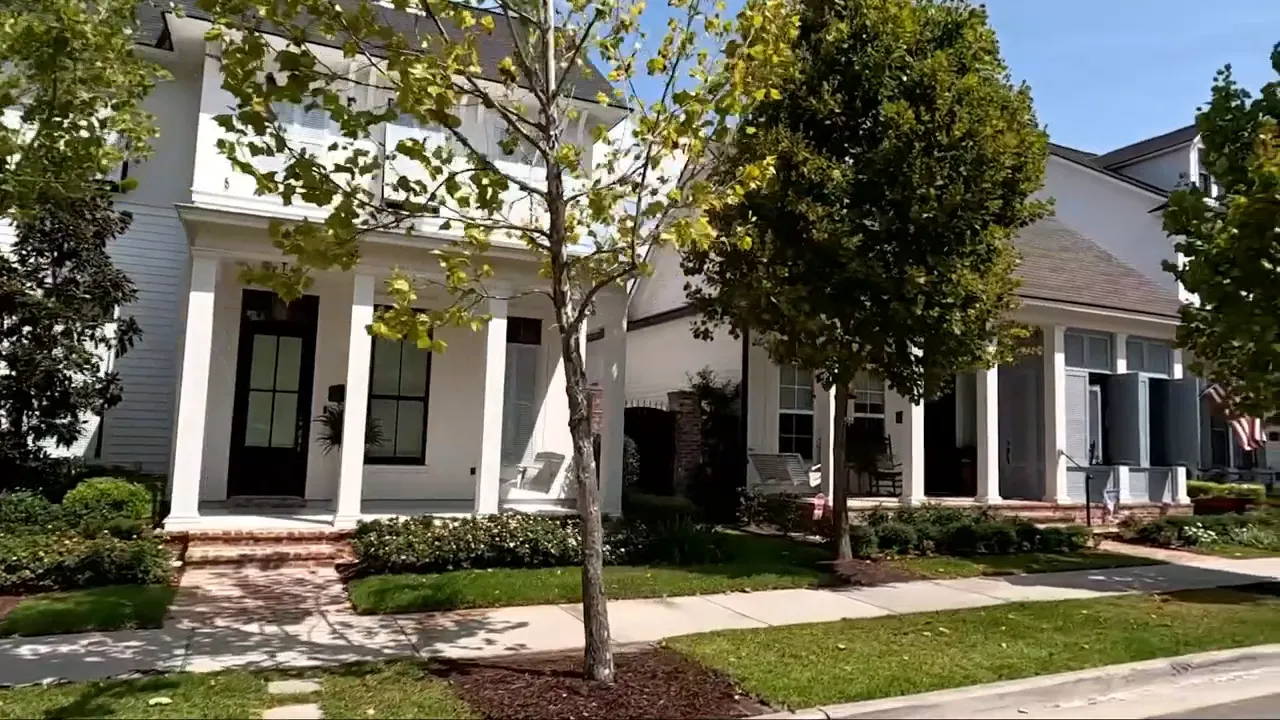
Affordability is one of Baton Rouge's biggest advantages. Compared with larger metro areas, you can often find a spacious family home with a yard without needing a seven-figure budget. For many buyers, a comfortable four-bedroom in a nice neighborhood in the $300,000 to $400,000 range is realistic.
2. Tight-knit communities and southern hospitality
Neighborhoods like Denham Springs, Walker, Prairieville, Central, and Zachary still feel like small towns inside a growing region. Neighbors wave, folks help each other, and it's easy to make connections at the gym, the coffee shop, or your kids' school. That friendliness is a big part of why people settle here.
3. Job development and growth
Growth is steady. Hospital expansions, refinery and chemical investments, neighborhood construction, and local small-business activity mean more opportunity. With companies putting major dollars into facilities and healthcare systems expanding, the job market is more robust than outsiders often assume.
4. Access to weekend fun
Proximity is a lifestyle win: New Orleans is about an hour away, beaches are roughly two hours away, and lakes, hunting, and fishing are close by. College football and a year-round calendar of festivals and seasons—Mardi Gras, crawfish, football—give plenty of ways to fill your weekends.
5. A strong and unique local culture
South Louisiana blends backgrounds, foodways, and traditions into a distinct, welcoming culture. People take pride in being from here, and newcomers are often embraced quickly. The cultural mix is a defining feature that many residents cite as a top reason to stay.

Top 5 cons of living in Baton Rouge
1. Insurance costs and availability
Flood and homeowners insurance have become tougher to navigate. Flood premiums can spike—or be required in areas that don't feel like flood zones. Some carriers have pulled out of parts of Louisiana, and many companies refuse to insure roofs older than 15 years following Hurricane Ida. Be prepared to shop quotes and to factor insurance into your budget.
2. Roads and infrastructure headaches
Traffic and road conditions remain a complaint for many. Major bottlenecks—like crossing the Mississippi River Bridge or backups on I-12—are real, and construction projects often stretch for years. If you commute across the river, plan for longer travel times during peak hours and construction seasons.

3. School quality can be hit or miss
School districts vary widely. Areas like Zachary, Central, Ascension Parish, and Livingston Parish are well-regarded, but other parts of the region face challenges. Families often make location decisions almost entirely on school districts, and good schools play a big role in resale value.
4. Crime is localized and context matters
Crime statistics can look concerning on paper, but experiences vary block by block. There are many very safe neighborhoods and some areas with more issues. What feels safe is subjective, so look at local data for the specific neighborhoods you are considering and visit at different times of day.
5. Heat, humidity, and hurricane season
The climate is not for everyone. Hot, humid months dominate most of the year, and hurricane season is something to consider if you live closer to the coast. Many people prefer the mild winters and year-round outdoor options, but if you love hoodie weather and low humidity, Baton Rouge may test your tolerance.

Practical tips when moving to Baton Rogue
- Factor insurance into your housing budget. Ask about flood zones and get multiple quotes before committing.
- Map your commute. Living on the same side of the Mississippi River as your workplace can save hours over time.
- Research schools for resale value. Even without children, a strong school district typically helps home value.
- Visit neighborhoods at different times. Morning, afternoon, and late evening visits give a fuller picture of safety and traffic.
- Talk to local professionals. Real estate agents, insurance brokers, and lenders who live and work here can save you time and money.
FAQs about living in Baton Rouge
What neighborhoods offer the best combination of schools and safety?
Areas such as Zachary, Central, Ascension Parish, and parts of Livingston Parish are consistently recommended for strong schools and a family-friendly environment. Use local school ratings and neighborhood crime maps to narrow choices.
How much should I budget for flood and homeowners insurance?
Costs vary widely by property and flood zone. Some homeowners pay a few hundred dollars a year, while others previously paid thousands. Always get multiple insurance quotes and factor higher premiums into your total monthly housing cost.
Is commuting in Baton Rouge manageable?
Commuting is manageable if you plan smartly. Traffic spikes at predictable times and locations. Living on the same side of the Mississippi River as your workplace reduces daily stress and travel time.
How does the climate affect daily life?
Heat and humidity influence outdoor activities, home energy use, clothing choices, and time spent outside. Many residents adapt their routines to early mornings and evenings during the hottest months.
The pros and cons of living in Baton Rouge are straightforward when you weigh priorities: housing value, community, and local culture versus insurance complexity, infrastructure, and weather. For the right person or family, Baton Rouge can be close to perfect. If you want help evaluating neighborhoods, insurance options, or commute logistics, reach out — call or text (225) 397-5098 and we'll help you get started.