
Moving to Baton Rouge: What I Would Want to Know Before I Go

If you are moving to Baton Rouge, you probably have a handful of big questions rattling around in your head: Will I find work? Can I afford a home? Is the city safe? Will I enjoy the culture? I moved around Louisiana most of my life and helped a lot of people relocate to the Baton Rouge area, so here are the practical answers and the small, real-life details I wish someone had told me before I made the move.

Table of Contents

What the job market looks like in Baton Rouge?

Job availability matters. Baton Rouge has a diverse job base and a steady demand for workers across several industries. Major sectors include construction, health care, education, government, and especially the petrochemical industry.

Global players such as ExxonMobil, Shell, BASF, and Honeywell operate large facilities here. That means roles ranging from engineering and operations to maintenance, supervision, and safety. You do not always need a four-year degree to earn a solid wage; many contract or plant-support roles pay well and offer steady schedules. I even worked in plant operations years ago before switching careers, so I can attest the opportunities are real.

How affordable is living in Baton Rouge?

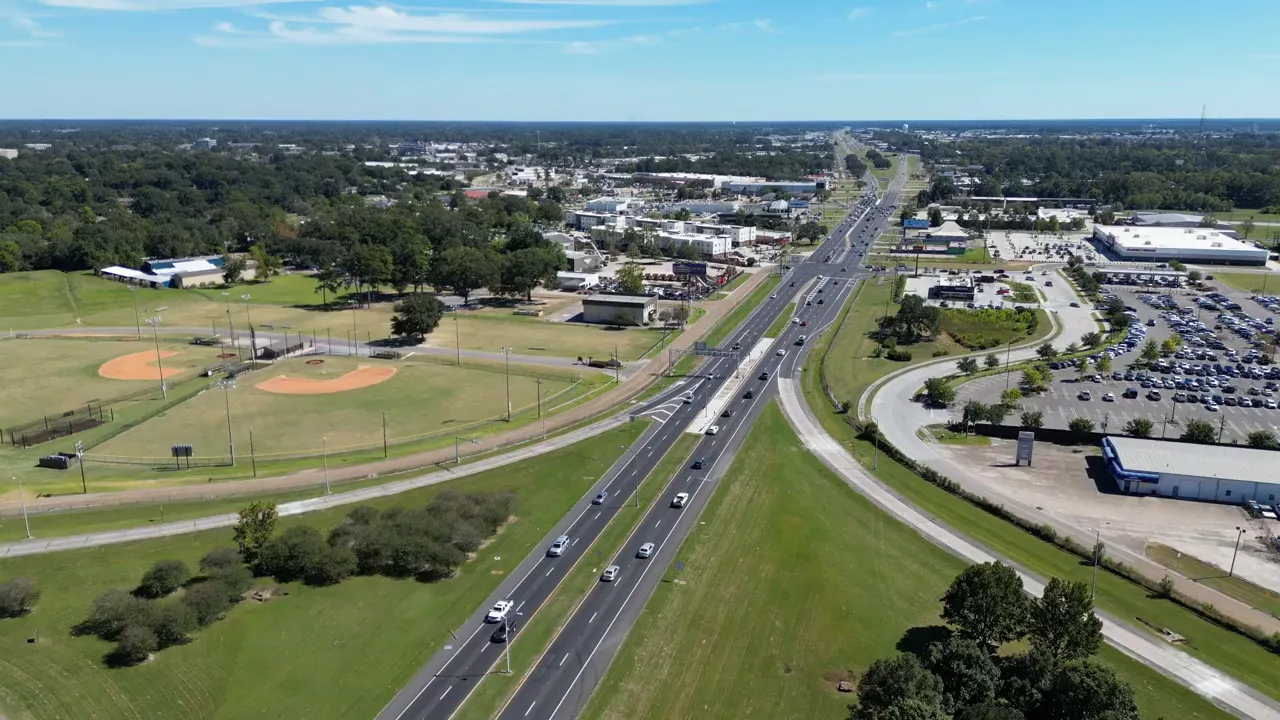
Affordability depends on where you are coming from, but overall Baton Rouge is cheaper than the national median. Recent figures show the U.S. median home price around $416,000, while the Baton Rouge median sits near $259,000. Median rent here is roughly $1,100 versus the national median near $1,500.
Moving to Baton Rouge

If you are moving from high-cost cities, you will likely be pleasantly surprised by what your money buys here. If you are coming from much lower-cost towns, you may notice a bump in price. Either way, the area offers good value for homebuyers and renters compared with many larger metros.

Crime and Safety in Baton Rouge

Crime stats for Baton Rouge can look concerning at first glance. The city has worked through difficult years, and while challenges remain, recent trends show meaningful improvements. There was a reported 23 percent decline in violent incidents last year and another strong year-to-date decline more recently.

Safety is subjective. Some neighborhoods have higher crime rates and others feel calm and family friendly. I live near Baton Rouge and spend a lot of time in the city with my family; most days we feel safe. When evaluating a neighborhood, check local crime maps and ask a trusted realtor or neighbor for perspective.

Culture, events, and lifestyle in Baton Rouge

Baton Rouge is a college sports town at heart. LSU is the major cultural magnet and brings a lot of energy to game weekends. There are also smaller local colleges with active communities.

The food scene is a major highlight. Whether you love dining out or backyard cookouts, food is a way of life. Jambalaya, gumbo, crawfish boils, Po'Boys, and plate lunches are central to gatherings. Festivals including Mardi Gras and numerous local events mean there is usually something to celebrate.

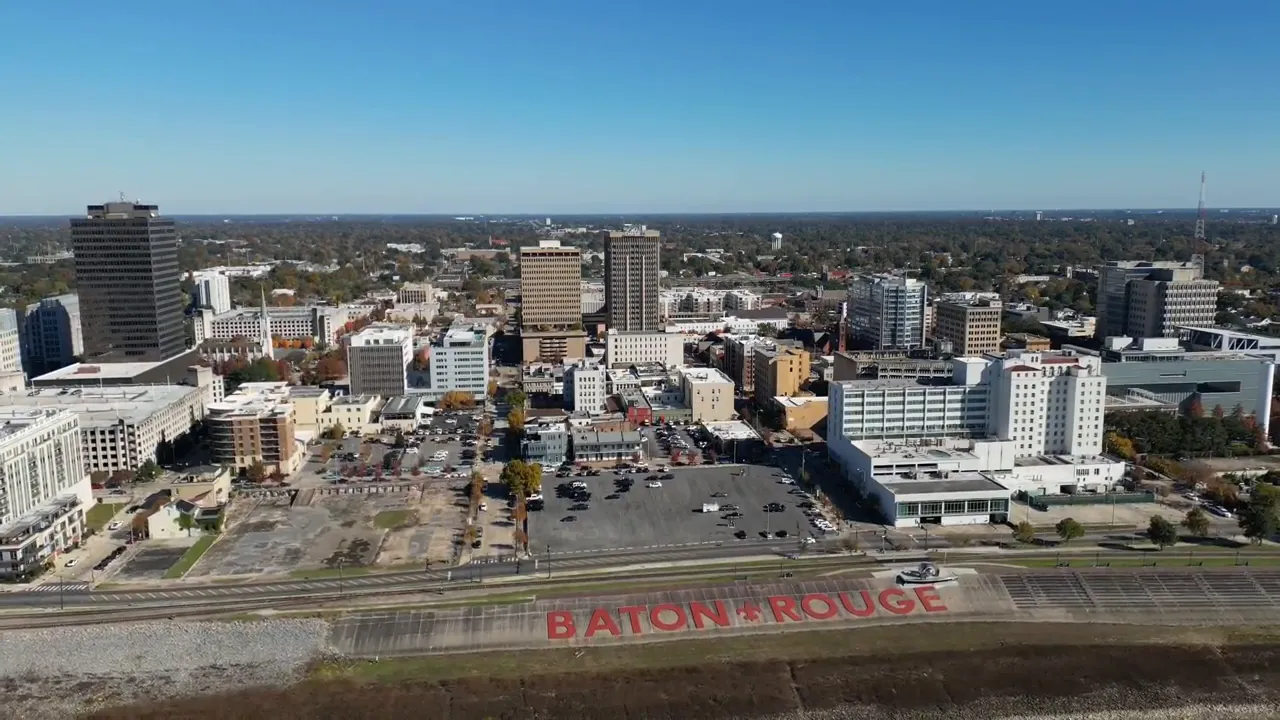
Downtown has attractions such as the new state capitol, museums, theaters, bars, restaurants, and riverfront access along the Mississippi River Levee trail. Outdoor enthusiasts will also appreciate easy access to hunting, fishing, and year-round sports. Winters are mild; summers are hot.
Moving to Baton Rouge

Practical checklist for anyone moving to Baton Rouge

  • Research job listings in your field before relocating and consider contract roles in the petrochemical sector if you want quicker employment.
  • Compare housing markets based on the neighborhood feel, commute times, and school options.
  • Check crime maps for specific blocks rather than judging the entire city by one statistic.
  • Plan visits to sample local food, neighborhood parks, and LSU campus energy to see if the culture fits you.
  • Factor in weather —heat and humidity are part of life; prepare your home and wardrobe accordingly.

Transitioning here is often easier than people think. Many relocators from higher-cost markets end up surprised at the size and quality of homes they can afford. A number of people I worked with reported being pleasantly shocked by how much house they could get for the same monthly payment they paid in a previous city.

FAQs about moving to Baton Rouge

Is moving to Baton Rouge expensive compared with other cities?

Baton Rouge is generally more affordable than national high-cost metros. Median home prices and rents are lower than U.S. medians, but affordability depends on where you are relocating from.

What industries hire the most in Baton Rouge?

Major industries include petrochemicals, construction, health care, education, and government. Large plant operations and contract work create many roles at different skill levels.

Are neighborhoods safe for families?

There are many family-friendly neighborhoods. Safety varies by area, so use crime maps and local insight to evaluate specific neighborhoods before deciding.

Will I find things to do outside of sports and food?

Yes. Baton Rouge offers museums, theaters, riverfront trails, casinos, and abundant outdoor activities like fishing and hunting. It is active year-round.

Final thoughts on moving to Baton Rouge

Moving to Baton Rouge can be a straightforward, rewarding change. The economy supports diverse employment, housing is often more affordable than many larger cities, and the cultural life is lively and food-forward. Use neighborhood-level data for safety, visit in person when possible, and consider what lifestyle elements matter most for you. If you approach the move with a checklist and local insight, you will find the transition manageable and often pleasantly surprising.

Need help planning your move? Call or text Shaun Ramos at  (225) 397-5098 or email info@louisianahomeliving.com — I can send neighborhood crime maps, housing lists, and a free Baton Rouge relocation guide to get you started.

Making Your Move Easier

Moving forward does not have to be overwhelming. With the right guidance and support, you can navigate this journey smoothly. I am ready to help you every step of the way.

Here's how to get in touch:

📧 Email: info@louisianahomeliving.com

📞 Phone: (225) 397-5098

💻 YouTube: Living in Baton Rouge with Shaun Ramos

📧 Newsletter: Sign up here


SHAUN  RAMOS

A Baton Rouge, Louisiana real estate agent with LPT Realty helping buyers, sellers, and relocation clients across Greater Baton Rouge, including Livingston and Ascension Parishes. Through his Living in Louisiana YouTube channel, he breaks down the local market so you can move with confidence.

MOVING TO Baton Rouge

Shaun Ramos | Louisiana Home Living | Relocation Guide

WATCH OUR VIDEOS

Share this article

Recent Posts

By Shaun Ramos January 15, 2026
Budgeting for a Baton Rouge home in 2026? Go beyond the mortgage. Learn about down payments, insurance, taxes, and maintenance to understand the true cost of ownership.
By Shaun Ramos January 7, 2026
The Magic of Mardi Gras in Louisiana: More Than Just New Orleans When people think Mardi Gras, New Orleans often comes to mind first. While the Crescent City certainly hosts some of the world's most famous celebrations, the spirit of Carnival truly permeates every corner of Louisiana. From Shreveport to Lafayette, Lake Charles to Baton Rouge, communities across the state embrace the season with their own unique flair and traditions. What makes Louisiana's Mardi Gras so special? It's the incredible diversity of celebrations . You'll find everything from grand, multi-float extravaganzas featuring Mardi Gras royalty and marching bands to charming, quirky local parades that showcase community spirit. Imagine elaborate floats with intricate designs, dazzling lights, and costumed riders tossing coveted "throws" to eager crowds. Then picture a heartwarming dog-walking parade where furry friends don their finest costumes. This early season means you have even more time to plan and experience multiple celebrations. Why limit yourself to just one? With over a hundred parades on the schedule, you can craft an itinerary that takes you through different regions, each offering a distinct taste of Louisiana's Carnival culture. Planning Your Mardi Gras Adventure: Tips for a Flawless Carnival Attending a Mardi Gras parade is an exhilarating experience, but a little planning goes a long way. To ensure you have the best possible time catching beads and enjoying the spectacle, keep these actionable tips in mind: Know Your Schedule: Parades rarely deviate from their stated start times, but routes and times can be affected by weather or unforeseen circumstances. Always check local news or official parade websites closer to the date for any last-minute changes. Dress for Success: Louisiana weather in late January and February can be unpredictable. Layers are your best friend! You might start the day needing a jacket and end it in a t-shirt. Comfortable shoes are non-negotiable, as you'll likely be standing and walking a lot. Bring a Bag (or two!): You'll need something sturdy to carry all your treasured throws! A large tote bag, backpack, or even a collapsible wagon can be a lifesaver, especially if you're with family. Arrive Early: For popular parades or prime viewing spots, arriving an hour or two (or even more for major events) before the start time is crucial. This allows you to secure a good spot, set up chairs, and soak in the pre-parade atmosphere. Stay Hydrated & Fed: Pack snacks, water, and non-alcoholic beverages. While vendors are often present, having your own supplies means you won't miss any of the action waiting in line. Remember to drink plenty of water, especially if you're out all day. Respect the Culture: Mardi Gras is a cherished tradition. Be mindful of local customs, avoid blocking views, and always leave your viewing area clean. "Laissez les bons temps rouler" (let the good times roll) is the motto, and it's all about shared joy and celebration. A Glimpse into the Grandeur: What Makes Louisiana Parades Special Louisiana's Carnival parades are a sensory feast, a vibrant tapestry woven from tradition, artistry, and pure joy. Understanding a few key elements can deepen your appreciation for the spectacle. Krewes: These are the social organizations that organize and fund the parades. Each krewe has its own unique history, traditions, and often a secret identity for its king and queen. They are the heart and soul of Mardi Gras, embodying community spirit and dedication. Floats: Prepare to be amazed by the sheer artistry! Mardi Gras floats are often elaborate, custom-built creations that can take months to design and construct. They typically follow a central theme, telling stories through intricate decorations, moving parts, and dazzling lights. Throws: This is where the crowd participation comes in! Riders on floats toss various items to the crowd, known as "throws." While beads are the most common, you might also catch cups, doubloons, toys, stuffed animals, and even unique, custom-made items from specific krewes. The thrill of the catch is a quintessential Mardi Gras experience. Music: The soundtrack of Carnival is infectious! Expect to hear lively brass bands, precision marching bands, and often music played directly from the floats. The rhythm and energy of the music are central to the parade experience, making everyone want to dance. Spotlight on the Capital Region: Baton Rouge and Beyond The Capital Region, centered around Baton Rouge, offers a fantastic array of Mardi Gras celebrations that are often more accessible and family-friendly than some of the larger city parades, without sacrificing any of the fun. This area truly shines with its blend of traditional krewes and unique community events. Let's look at some of the highlights for 2026: Early January Kicks Off the Fun The season starts strong with several parades rolling out in late January, giving you an early taste of Carnival joy. Krewe of Denham Springs: January 31 at 3 p.m. in Denham Springs. A fantastic community parade known for its local charm and enthusiastic participants. Krewe of Oshun: January 31 at noon at Scotlandville Parkway Conservation Park. Often a more intimate, family-focused event perfect for younger parade-goers. Krewe de Chemin Neuf: January 31 at 6 p.m. in Downtown New Roads. Experience the historic charm of New Roads with this evening parade, offering a beautiful backdrop for the floats. February Brings the Big Parades As February rolls in, the Capital Region kicks into high gear with several major krewes taking to the streets of downtown Baton Rouge and surrounding parishes. Krewe of Artemis: February 6 at 7 p.m. in Downtown Baton Rouge. A grand spectacle known for its vibrant floats and lively energy, kicking off the major Baton Rouge parades. Le Krewe Mystique de la Capitale Parade: February 7 at 2 p.m. in Downtown Baton Rouge. One of the city's traditional krewes, offering a classic Mardi Gras experience. Krewe of Ascension Mambo Parade: February 7 at 2 p.m. starting at Irma Blvd., Gonzales. Head south to Gonzales for a lively afternoon parade that brings the Mambo spirit to Carnival. Krewe of Orion: February 7 at 6:30 p.m. in Downtown Baton Rouge. A stunning evening parade, known for its illuminated floats and impressive throws, often drawing large crowds. Mid-Season Highlights Mid-February continues the celebrations with unique neighborhood parades and beloved traditions. Mid City Gras: February 8 at 1 p.m. starting at North Boulevard at 19th Street, ending at Baton Rouge Community College. This parade offers a distinct, local flavor, celebrating the vibrant Mid City community. Krewe of Southdowns Mardi Gras Parade: February 13 at 7 p.m. in the Southdowns Neighborhood in Baton Rouge. A beloved neighborhood parade, known for its creative house floats and walking groups, offering a cozy community feel. Spanish Town Mardi Gras: February 14 at noon in Downtown Baton Rouge. This is a must-see! Famous for its quirky, irreverent humor and iconic pink flamingos, Spanish Town is a unique and hilarious celebration that draws massive crowds. Be prepared for pink! Royal Krewe of Royalty: February 14 at 1 p.m. in Downtown Plaquemine. Experience a regal celebration in Plaquemine, where royalty takes center stage. Livonia Carnival Association: February 15 in Livonia. A traditional small-town Carnival event that showcases the heart of rural Louisiana celebrations. Krewe of Comogo: February 15 at 7 p.m. starting at St. John the Evangelist Church. A community-focused parade that lights up the evening. Krewe of Shenandoah: February 16 at 6:30 p.m. starting at Jones Creek Road and Tiger Bend. A spirited parade in the Shenandoah area, perfect for local families. A Parade for Every Passion: The Krewe of Mutts Sometimes, the most memorable parades are the ones that are truly unique. The Capital Region delivers with a celebration for animal lovers! CAAWS Mystic Krewe of Mutts: February 22 at 2 p.m. at 222 North Blvd. This adorable parade features dogs and their owners dressed in creative costumes, all to benefit the Capital Area Animal Welfare Society (CAAWS). It's a heartwarming, family-friendly event that's sure to make you smile. Beyond the Capital Region While this guide focuses on the vibrant parades of the Capital Region and a general overview of Mardi Gras, remember that these are just a handful of the over 100 celebrations happening across Louisiana. From the elaborate super krewes of New Orleans to the Cajun country parades of Lafayette and Lake Charles, each region offers its own distinct flavor of Carnival. Don't hesitate to explore other areas if your schedule allows, as every parade has its own charm and unique traditions waiting to be discovered. Frequently Asked Questions (FAQ) Q: When does Mardi Gras season officially start in 2026? A: Mardi Gras season officially begins on Twelfth Night, which is January 6th, 2026. However, the first parades often start rolling in late January, as seen with the Capital Region parades beginning on January 31st. The season culminates on Fat Tuesday, which falls on February 24th in 2026. Q: What should I bring to a Mardi Gras parade? A: Essential items include a sturdy bag for throws, comfortable walking shoes, layers of clothing for changing weather, water and snacks, sunscreen, a portable chair or blanket if you plan to stake out a spot, and a camera or phone to capture the memories. Cash can also be useful for local vendors. Q: Are Mardi Gras parades family-friendly? A: Absolutely! Many parades across Louisiana, especially those outside of the French Quarter in New Orleans, are very family-friendly. The Capital Region parades, in particular, are known for their welcoming atmosphere for children. Look for daytime parades if you have young kids, and consider bringing a wagon or stroller for tired little legs. Q: What's the difference between a "Krewe" and a "parade"? A: A "Krewe" is the private social organization or club that organizes and puts on a Mardi Gras parade, ball, and other events. They are responsible for the floats, costumes, and often the throws. The "parade" itself is the public procession of floats, marching bands, and costumed riders that the Krewe creates and presents. Essentially, the Krewe is the group, and the parade is their public spectacle. Get Ready to Roll! Mardi Gras 2026 in Louisiana promises to be an unforgettable season, packed with more joy, color, and community spirit than ever before. With over 100 parades stretching across the state, you have an incredible opportunity to experience this unique cultural phenomenon. Don't let the early start catch you by surprise! Use this guide to kick off your planning, mark your calendars, and prepare to be enchanted by the magic of Carnival. Whether you're catching beads from a grand float or cheering on costumed pups, you're in for a treat. So gather your krewe, dust off your purple, green, and gold, and get ready to celebrate. Laissez les bons temps rouler!
By Shaun Ramos January 3, 2026
Capital Region's biggest announcements of 2025. From Hut 8's data center to Hyundai's steel plant, these major investments are shaping Louisiana's economic future.
READ MORE BLOGS