Avoid These 5 Costly Baton Rouge Relocation Mistakes
Relocating to Baton Rouge, Louisiana, comes with specific challenges that many newcomers overlook. This guide breaks down the top five common Baton Rouge relocation mistakes, from misunderstanding flood zones and flood insurance costs to choosing the wrong area and attempting a long-distance move without local expert guidance. Avoiding these pitfalls can save you significant stress and money.
After helping countless individuals and families relocate to Baton Rouge from all over the country, I've seen firsthand the common missteps that can turn an exciting move into a stressful ordeal. My goal is to equip you with the knowledge to avoid these Baton Rouge relocation mistakes and ensure a smooth transition to our vibrant South Louisiana community. In my experience as a local realtor, understanding these nuances upfront can save you significant time, money, and emotional energy.
In my role, I often work with clients who are making a long-distance move, sometimes from states away, and they rely on my local expertise to navigate what can be a confusing landscape. The Baton Rouge area, while welcoming, has its unique quirks, from its parish system to its flood zone classifications, which are critical to understand before committing to a home. Here’s what you need to know to make a smart decision in today's market.
In this comprehensive guide, I'll break down the top five mistakes people make when moving to Baton Rouge or the surrounding Greater Baton Rouge area. You'll learn about the impact of flood zones, how to prioritize location, the differences between parishes, new construction versus resale homes, and why local assistance is invaluable. Let's start with a crucial, often misunderstood aspect of living here: flood zones.
Underestimating Flood Zones and Flood Insurance
One of the most significant and frequently misunderstood aspects of buying a home in Baton Rouge is the impact of flood zones and flood insurance. Many people assume if a house isn't in a "flood zone" it's safe from flooding, but the reality is every single house is in a flood zone; it's just a matter of classification and risk. There are three primary classifications in our area: A and AE, which do require flood insurance if you have a mortgage, and X, which does not.
While flood zone X signifies a very low likelihood of flooding, it doesn't mean no risk. I recall the devastating 2016 flooding event in Livingston Parish, where an estimated 75% to 90% of the parish flooded, impacting many homes even in areas typically considered low risk. While such events are rare, they underscore the importance of understanding your flood zone and considering insurance, even if not mandated. For most people, the cost of flood insurance becomes a more immediate concern than the actual event of flooding.
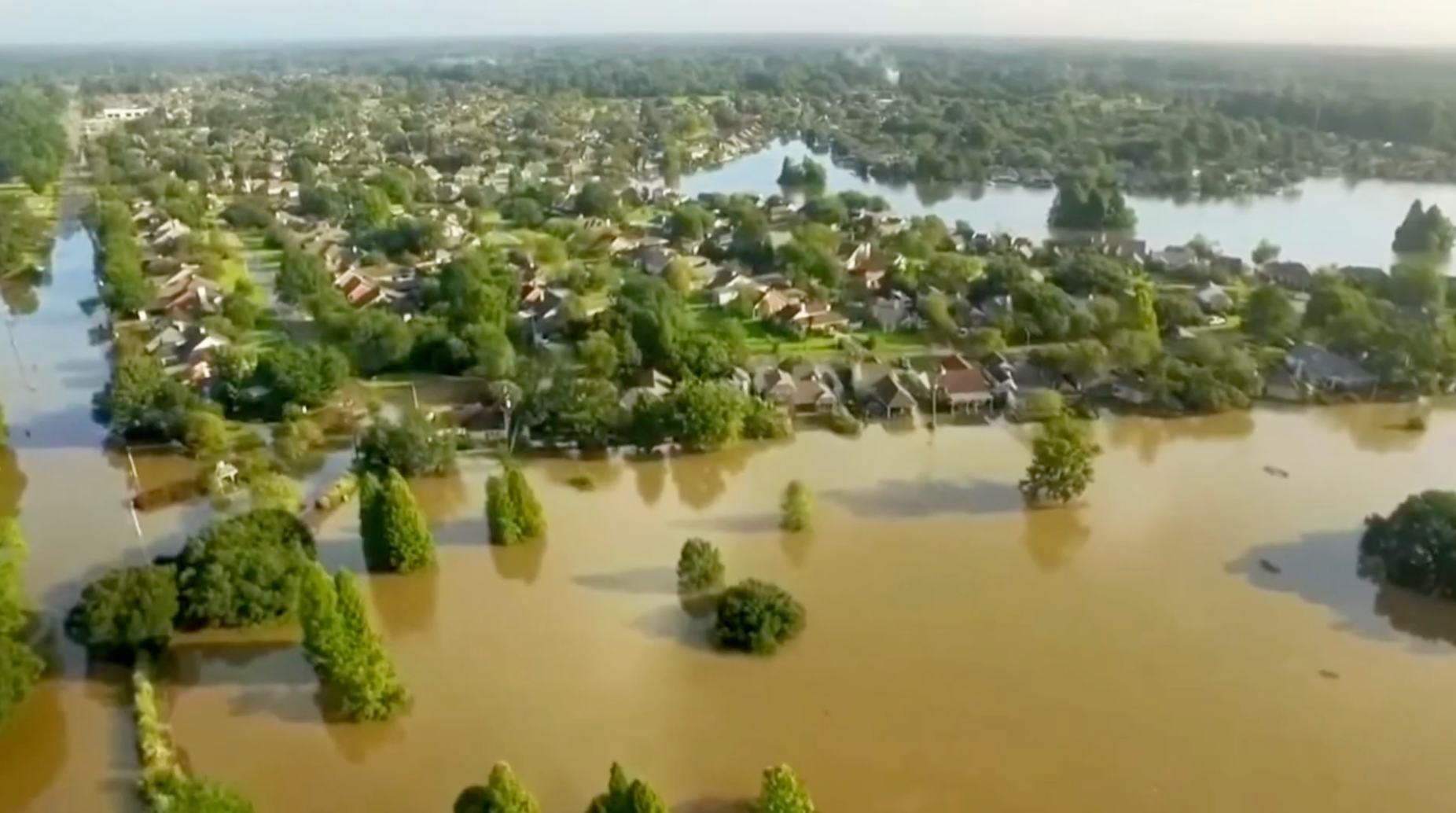
Flood insurance premiums can significantly affect a home's affordability. I've seen premiums as low as $500-$600 a year, but $1,200-$1,500 is more common. Some houses, however, can have $3,000-$4,000 a year premiums, making them much harder to sell and impacting your overall budget. My clients often express a desire for flood zone X properties specifically to avoid these extra costs. It's crucial to factor these numbers into your budget, as sometimes the extra insurance cost might mean you could have afforded a larger home in a different flood zone. Always get this information upfront, regardless of who you're working with.
Prioritizing the House Over the Right Area
Another common mistake I observe is buyers getting fixated on a specific house before truly defining their ideal location. While it's tempting to jump onto real estate apps and browse appealing homes, I've found that it's far more effective to choose the area first. Once we've nailed down the right location, finding a house that meets your needs within that area becomes much simpler. Your priorities should guide this decision:
- Commute: How close do you need to be to work?
- Schools: Are there specific public or private schools you want your children to attend?
- Amenities: Do you value proximity to parks, shopping, dining, or other recreational activities?
- Lifestyle: Do you prefer city living or a quieter, suburban environment, even if it means a longer commute?
I once worked with a client who moved from Texas to work at a major Baton Rouge hospital. We found him a beautiful new construction home in a fantastic neighborhood. However, despite the drive appearing manageable on a map, the real-world traffic at peak times made his commute too long, especially for urgent calls to the hospital. We're now exploring selling that house to find something closer. This anecdote highlights why focusing on the area first is paramount. For a broader overview of navigating the move, I recommend checking out The Ultimate Baton Rouge Louisiana Relocation Guide: From Anywhere In The US to Living in Louisiana.
Not Understanding Greater Baton Rouge Parishes
If you're relocating from outside Louisiana, you'll quickly learn that we have parishes instead of counties. The Greater Baton Rouge area comprises nine distinct parishes, each with its own character and appeal. Most of my clients, however, focus their search within a three-parish area: East Baton Rouge, Livingston, and Ascension Parishes.
Let me give you a quick rundown:
- East Baton Rouge Parish: Home to the capital city, Baton Rouge. It's the state's second-largest city but feels more like a mid-size city. It's a great option if you want to limit your commute within the city. While its public schools aren't always top-rated, it offers many excellent private, charter, and magnet school options.
- Ascension Parish: Located southeast of Baton Rouge, this is often cited as the wealthiest parish in the Greater Baton Rouge area. It's very close to Baton Rouge and boasts excellent public schools, making it highly desirable for families. For specific insights into popular areas like Gonzales within Ascension Parish, you might find Living in Gonzales LA [The Best Baton Rouge Suburb For You?] helpful.
- Livingston Parish: Just east of Baton Rouge, where I reside. This parish also offers good schools and tends to be more affordable than East Baton Rouge or Ascension, making it a popular choice for families seeking value.
Beyond these three, you have more rural options like West Feliciana, East Feliciana, and St. Helena Parishes to the north and northeast. To the west, across the Mississippi River, are West Baton Rouge Parish and Point Coupee Parish (known for False River). While these offer unique living experiences, the daily commute to Baton Rouge can be a significant factor.
Overlooking New Construction vs. Resale Considerations
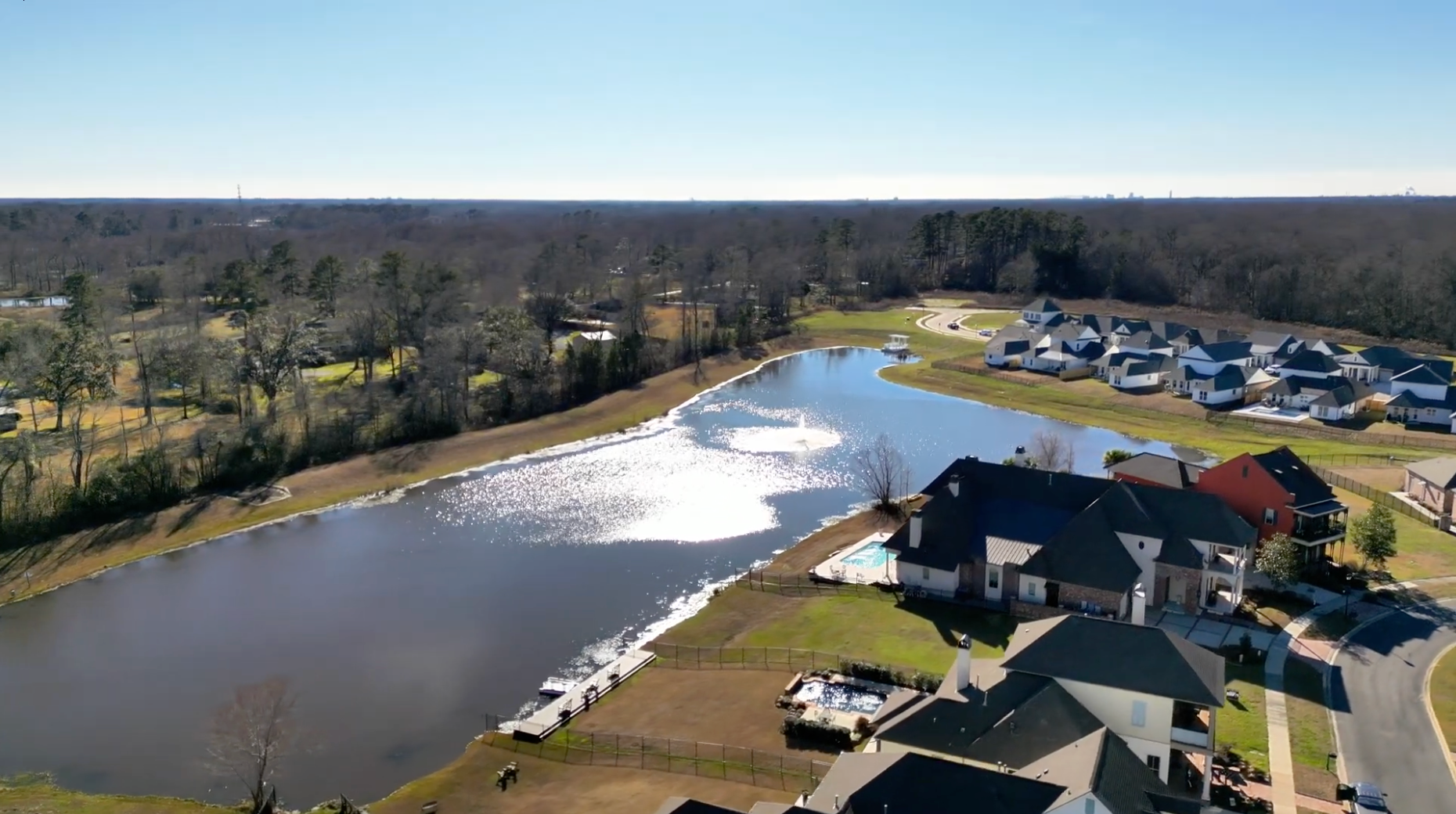
Deciding between new construction and pre-existing homes is a significant choice, and not giving it enough thought can be a mistake. Personally, I'm a fan of new construction for several reasons:
- Brand New Everything: The appeal of fresh, unused spaces and modern designs.
- Warranties: Most new homes come with builder warranties, offering peace of mind.
- Cheaper Homeowner's Insurance: Newer homes often qualify for lower premiums.
- Flood Zone Advantages: Builders typically avoid flood zones or build elevated to exempt homes from flood insurance requirements.
- Incentives: Many builders offer attractive incentives like lower interest rates or help with closing costs, making homes more affordable upfront and monthly.
The main drawback of new construction is often smaller lot sizes, so if a big yard is a priority, it might not be the best fit. On the other hand, pre-existing homes offer different advantages:
- Unique Character: Less of a "cookie-cutter" feel, with diverse architectural styles.
- Bigger Yards: Older neighborhoods often feature more spacious lots.
- More Space for Your Money: You often get more square footage for the price.
- No HOA: Many older neighborhoods don't have homeowner associations, which appeals to some buyers.
However, resale homes might require updating, so be prepared for potential renovation costs. While older homes in established neighborhoods often don't require flood insurance, this can change when looking at properties with larger acreage.
Trying to DIY Your Long-Distance Move
Attempting to manage a long-distance move to an unfamiliar area without local help is, in my opinion, a huge mistake. Even with support, relocating can be incredibly stressful. Doing it alone can lead to significant confusion and costly surprises. This is where I truly love helping my clients, by taking as much stress out of the process as possible. You gain access to my extensive network of trusted local professionals, from home inspectors and lenders to insurance companies. For more in-depth preparation, my detailed Baton Rouge Relocation Guide is available via a link in the description, offering insights into the various surrounding areas.
Many of my clients can't be physically present for home showings or inspections. Having a reliable team on the ground is essential. Furthermore, navigating the local geography and school districts can be incredibly confusing. For example:
- St. George City: This new city is still developing its identity, and many addresses in MLS listings still show Baton Rouge, making it hard to identify specific St. George properties and their future school districts.
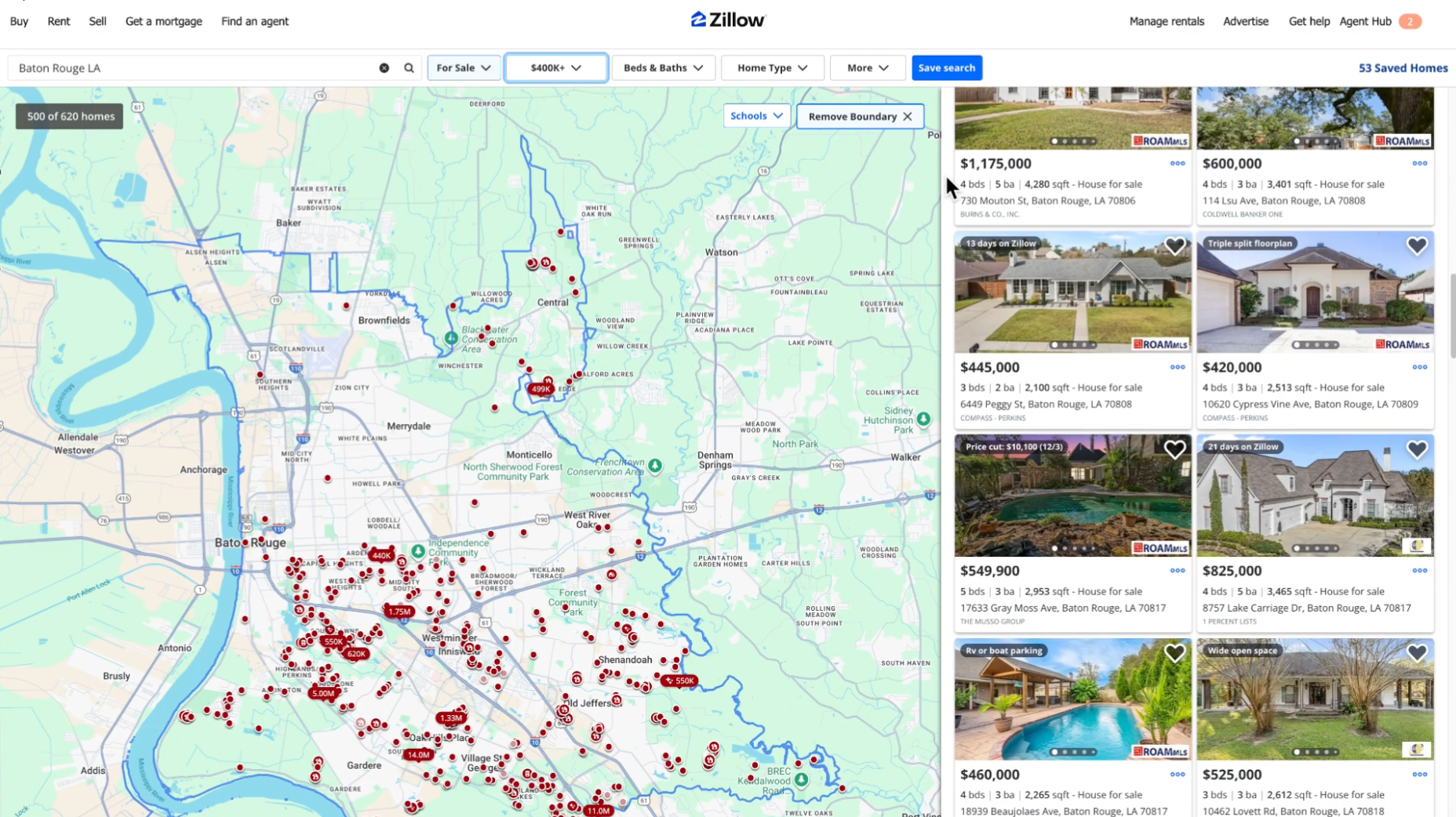
- School Zone Overlap: Take Central, a Baton Rouge suburb. If you want to be in the Central Community School System, searching for "Central" on Zillow isn't enough. Homes with Central school district enrollment can have Baton Rouge, Baker, Pride, or Greenwell Springs addresses. Similarly, my town of Watson has a 70706 zip code, which extends into St. Helena Parish—an area you'd want to avoid if Live Oak schools are your priority. I even listed a house in Denham Springs School District with a 70706 zip code, which typically indicates Live Oak schools, highlighting the need for local verification.
My local connections and expertise are invaluable in helping you understand exactly what you're getting based on your chosen area and ensuring you avoid these common mistakes moving to Baton Rouge. For crucial information on preparing for local challenges, you might also find How To Handle Hurricanes In Baton Rouge Louisiana (What Homebuyers Need To Know) a useful resource to understand the full picture of living here.
Key Takeaways
- Flood Zone Misconceptions: Every home is in a flood zone (A, AE, or X), with A/AE zones do require flood insurance. Premiums can range from $500 to $3,000-$4,000 a year premiums, significantly impacting affordability.
- Location Over House: Prioritize your ideal area first based on job, schools, and amenities before focusing on specific homes to avoid long-term commute or lifestyle dissatisfaction.
- Parish Diversity: The Greater Baton Rouge area is diverse, with most relocators focusing on East Baton Rouge, Livingston, and Ascension Parishes, each offering distinct living environments and school systems.
- Construction Type: New construction offers warranties, lower initial insurance, and often avoids flood zones, while resale homes typically provide larger lots, more space for the money, and unique character, though they may require updates.
- Professional Guidance is Key: Navigating a long-distance move to Baton Rouge, especially with complex school zones and new city developments like St. George, is best done with local connections and expertise to avoid stress and confusion.
Frequently Asked Questions (FAQ)
Q: What are the biggest relocation mistakes in Baton Rouge?
A: The biggest relocation mistakes in Baton Rouge include underestimating flood zone impacts and insurance costs, prioritizing a specific house over the ideal neighborhood, not understanding the unique characteristics of the different parishes, overlooking the pros and cons of new construction versus resale homes, and attempting to manage a long-distance move without local expert assistance.
Q: Do all homes in Baton Rouge require flood insurance?
A: No, not all homes in Baton Rouge require flood insurance. While every home is in a designated flood zone, only properties in high-risk zones (A and AE) typically require flood insurance if you have a mortgage. Homes in flood zone X, which denotes a low risk of flooding, usually do not require it, though I always recommend considering it.
Q: Which parishes make up the Greater Baton Rouge area?
A: The Greater Baton Rouge area comprises nine parishes: East Baton Rouge, Livingston, Ascension, West Baton Rouge, Point Coupee, Iberville, West Feliciana, East Feliciana, and St. Helena. However, most people relocating to the area primarily focus on East Baton Rouge, Livingston, and Ascension Parishes due to their proximity and amenities.
Q: What is the average cost of flood insurance in Baton Rouge?
A: The cost of flood insurance in Baton Rouge can vary significantly. I've seen premiums as low as $500-$600 annually, with $1,200-$1,500 being more common. However, for some properties, especially those deemed higher risk, premiums can reach $3,000-$4,000 a year premiums, which can greatly impact your monthly housing budget.
Q: How do I choose the best neighborhood in Baton Rouge?
A: To choose the best neighborhood in Baton Rouge, I advise clients to first identify their key priorities: proximity to work, desired schools, preferred amenities (parks, shopping), and lifestyle preferences (city vs. suburbs). Once these factors are clear, we can narrow down specific areas and then search for homes that fit your needs within those locations, ensuring a better long-term fit.
---
Watch the Full Video
For more insights, watch the complete video: Avoid These Baton Rouge Relocation Mistakes
---
Making Your Move Easier
Moving forward does not have to be overwhelming. With the right guidance and support, you can navigate this journey smoothly. I am ready to help you every step of the way.
Here's how to get in touch:
📧 Email: info@louisianahomeliving.com
📞 Phone: (225) 397-5098
💻 YouTube: Living in Baton Rouge with Shaun Ramos
Ready to talk?
Schedule a Zoom call
SHAUN RAMOS
A Baton Rouge, Louisiana real estate agent with LPT Realty helping buyers, sellers, and relocation clients across Greater Baton Rouge, including Livingston and Ascension Parishes. Through his Living in Louisiana YouTube channel, he breaks down the local market so you can move with confidence.
Recent Posts